
| traditional_literature_characteristics.pptx |
This week we will test on Rl 4.9 and RI 4.9 Tuesday
ELAGSE4RL9: Compare and contrast the treatment of similar themes and topics (e.g., opposition of good and evil) and patterns of events (e.g., the quest) in stories, myths, and traditional literature from different cultures.
Look at the PowerPoint above to learn about Traditional Literature characteristics.
Scroll down to learn more about this standard...
~~~~~~~~~~~~~~~~~~~~~~~~~~~~~~~~~~~~~~~~~~~~~~~~~
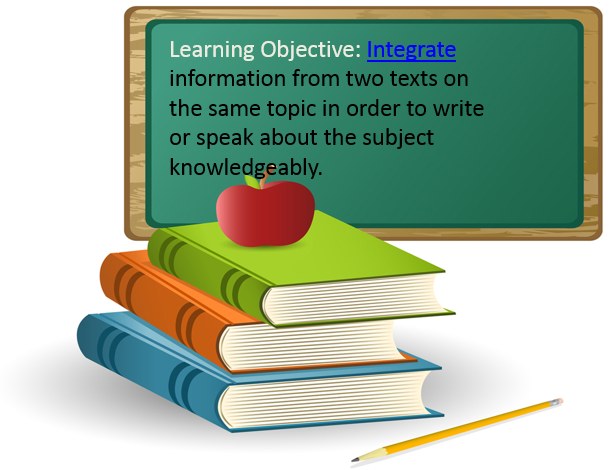
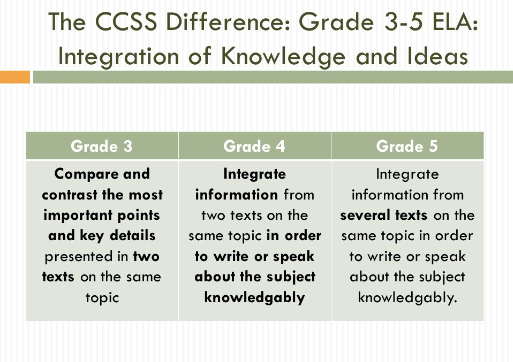
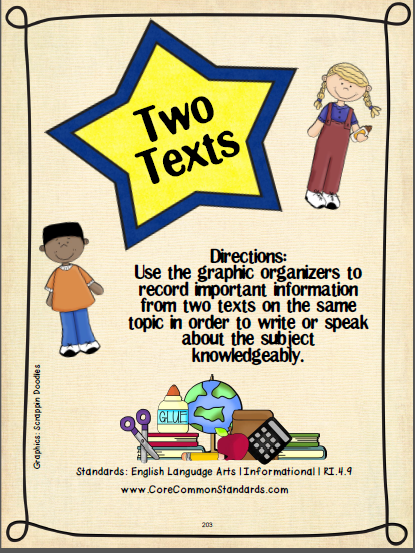
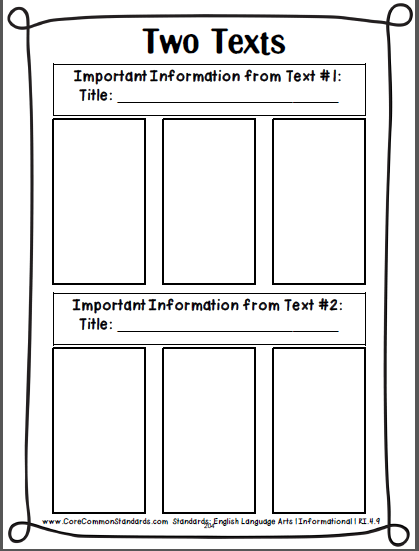
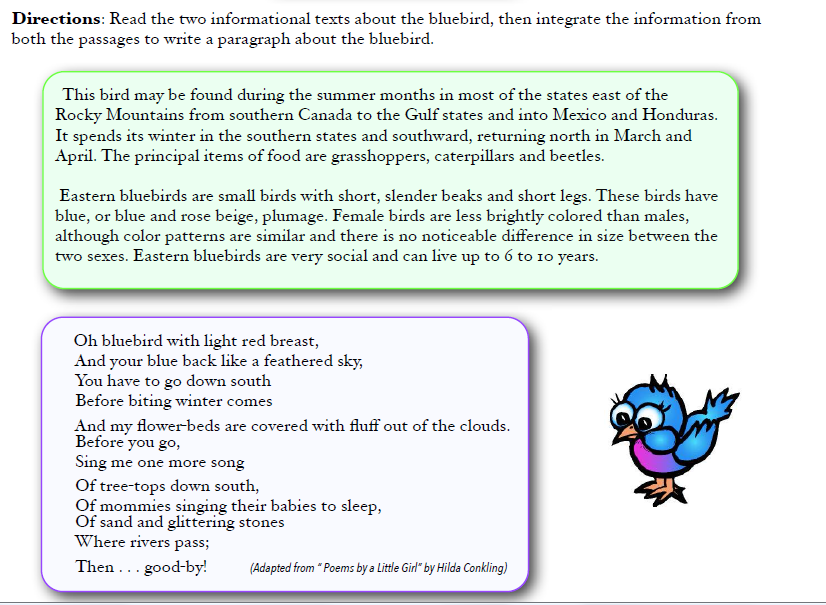
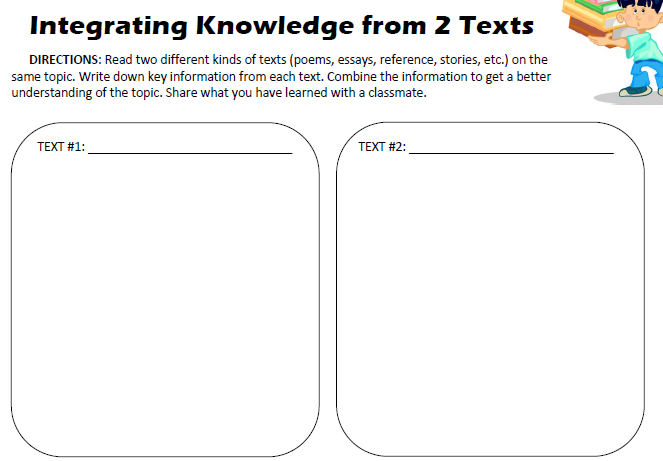
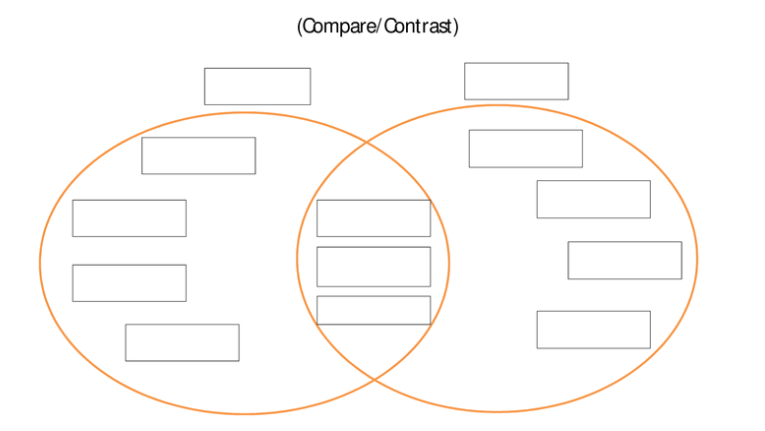
The informational standard RI 4.9. The goal of RI.4.9 is for students to learn how to integrate information from two texts on the same topic in order to write or speak knowledgeably about the subject. Students can use many techniques to integrate information, and graphic organizers can be helpful in providing ways for students to organize information from each text. Although Venn diagrams are the most common, any graphic organizer that allows students to write down important parts of each text will work. The focus in this standard is on analysis. Students are expected to analyze how those sources present information. This includes an analysis of the content, presentation, and word choices. This standard is about using a critical eye to examine more than one sources of information.
Next we move onto RL4.9
ELAGSE4RL9: Compare and contrast the treatment of similar themes and topics (e.g., opposition of good and evil) and patterns of events (e.g., the quest) in stories, myths, and traditional literature from different cultures.
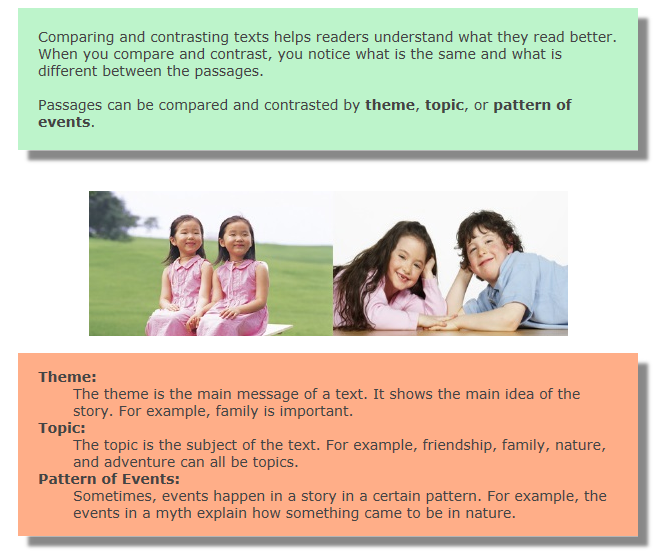
Comparing and contrasting two different stories can help you better understand common topics, patterns of events, and themes in stories from different cultures.
The topic is the subject of a story. A common topic in many stories is the struggle between good and evil. The pattern of events is what happens in the story. One common pattern of events is the hero’s quest. The main character goes on a journey to achieve a goal or solve a problem. The theme of a story is its central idea or message about life. Sometimes the theme is expressed as a moral, or lesson, such as “look before you leap.”
Scroll down to learn more...
ELAGSE4RL9: Compare and contrast the treatment of similar themes and topics (e.g., opposition of good and evil) and patterns of events (e.g., the quest) in stories, myths, and traditional literature from different cultures.
Look at the PowerPoint above to learn about Traditional Literature characteristics.
Scroll down to learn more about this standard...
~~~~~~~~~~~~~~~~~~~~~~~~~~~~~~~~~~~~~~~~~~~~~~~~~
The informational standard RI 4.9. The goal of RI.4.9 is for students to learn how to integrate information from two texts on the same topic in order to write or speak knowledgeably about the subject. Students can use many techniques to integrate information, and graphic organizers can be helpful in providing ways for students to organize information from each text. Although Venn diagrams are the most common, any graphic organizer that allows students to write down important parts of each text will work. The focus in this standard is on analysis. Students are expected to analyze how those sources present information. This includes an analysis of the content, presentation, and word choices. This standard is about using a critical eye to examine more than one sources of information.
Next we move onto RL4.9
ELAGSE4RL9: Compare and contrast the treatment of similar themes and topics (e.g., opposition of good and evil) and patterns of events (e.g., the quest) in stories, myths, and traditional literature from different cultures.
Comparing and contrasting two different stories can help you better understand common topics, patterns of events, and themes in stories from different cultures.
The topic is the subject of a story. A common topic in many stories is the struggle between good and evil. The pattern of events is what happens in the story. One common pattern of events is the hero’s quest. The main character goes on a journey to achieve a goal or solve a problem. The theme of a story is its central idea or message about life. Sometimes the theme is expressed as a moral, or lesson, such as “look before you leap.”
Scroll down to learn more...
|
|
Practice:
https://www.youtube.com/watch?v=ryi_UUjsv5s&t=5s&list=PLHsgU465oaDRuAoMh9aeS4WZY1eqTvtk7&index=15
https://www.youtube.com/watch?v=ryi_UUjsv5s&t=5s&list=PLHsgU465oaDRuAoMh9aeS4WZY1eqTvtk7&index=15
ELAGSE4RL9: Compare and contrast the treatment of similar themes and topics (e.g., opposition of good and evil) and patterns of events (e.g., the quest) in stories, myths, and traditional literature from different cultures.
RL4.9 Compare and Contrast Texts:
Types of Questions:
Question and Answer Strategy:
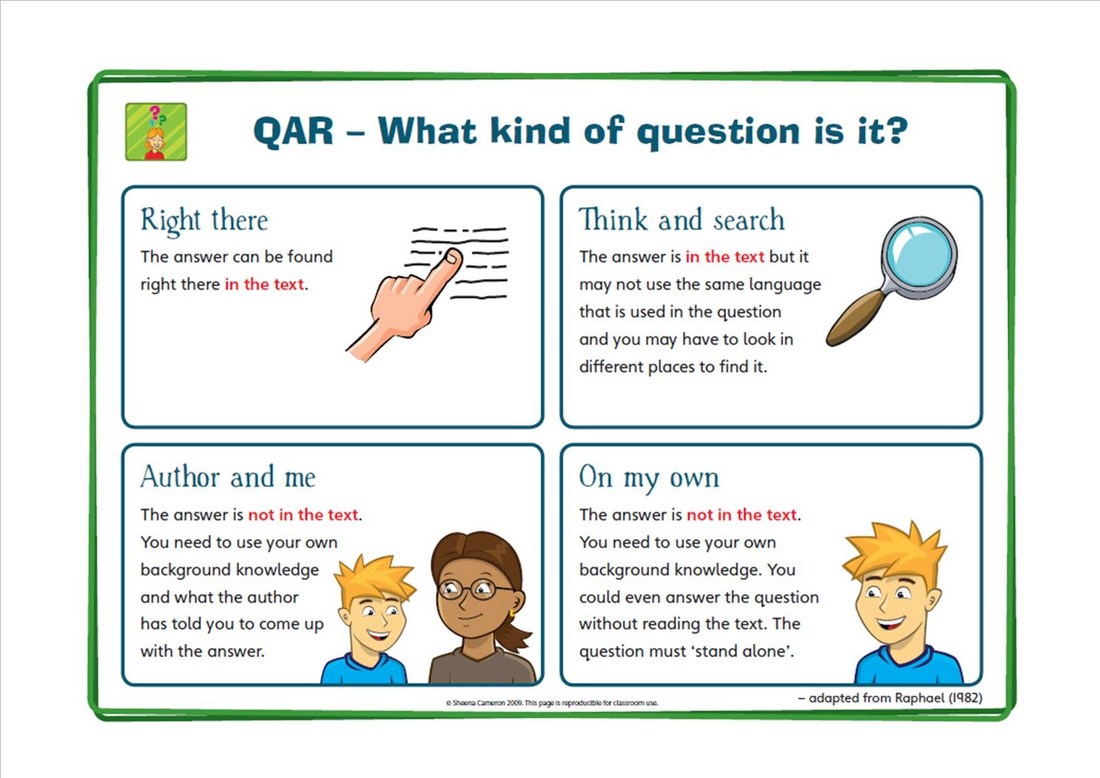
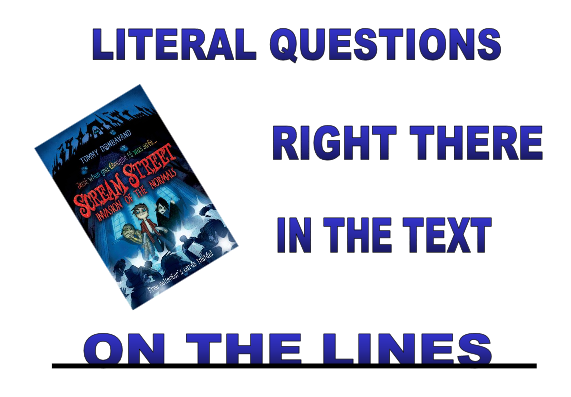
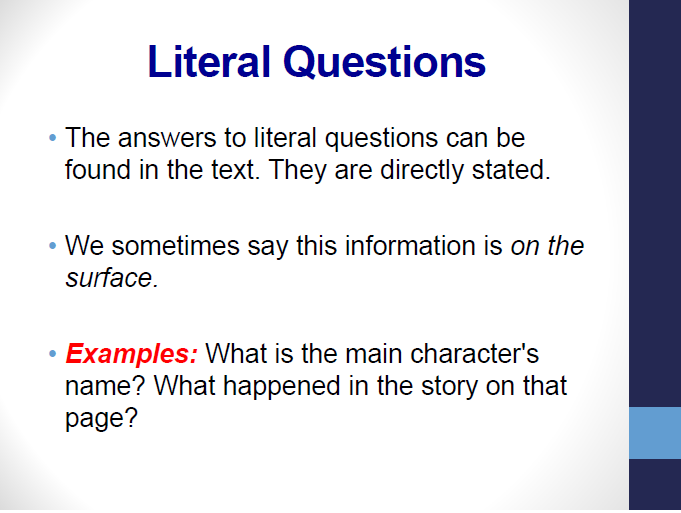
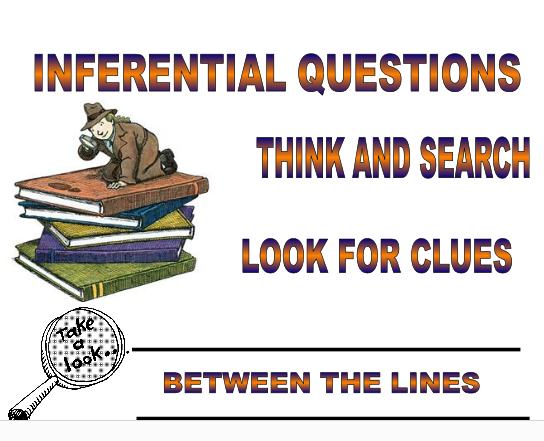
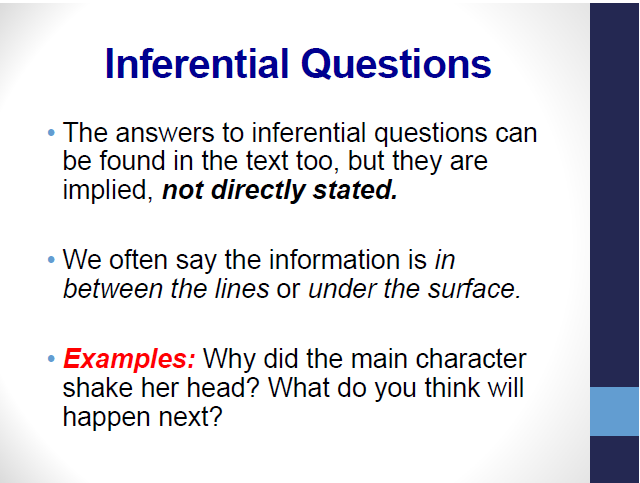
The purpose of teaching the QAR strategy is to show students that questions and answers have a variety of sources, and that learning about questions and their answers will help them as readers become better at understanding and answering questions. I will begin by teaching the students the necessary vocabulary: Right There/Literal, Think and Search/Inferential, Author & Me/ Inferential/Interpretive, On My Own/ Interpretive, Evaluative.
|
|
|
|