ELAGSE4RI2:
Determine the main idea of a text and explain how it is supported by key details ; summarize the text.
Determine the main idea of a text and explain how it is supported by key details ; summarize the text.
What is the Main Idea?

The main idea helps the reader understand what the story or the text is about. It is the most important part of the text or story.
What are the Supporting Details?
The supporting details are the facts or examples that tell or give more information about the main idea.
Example: If you just read a passage about owls
The Main Idea: All About Owls
Supporting details: types of qwls, what owls eat, where owls live, what owls look like, and other important facts about owls.
What are the Supporting Details?
The supporting details are the facts or examples that tell or give more information about the main idea.
Example: If you just read a passage about owls
The Main Idea: All About Owls
Supporting details: types of qwls, what owls eat, where owls live, what owls look like, and other important facts about owls.
To Review Main Idea and Detail: use the following site STOP at slide 21
http://www.slideshare.net/jayjapzz/recognizing-the-main-idea
Practice:
http://www.studyzone.org/testprep/ela4/h/mainideap24.cfm
http://www.studyzone.org/testprep/ela4/h/supportingdetailsl4.cfm
http://www.slideshare.net/elkissn/topics-and-main-ideas?related=1
http://mrswarnerarlington.weebly.com/main-idea.html
Review Fantastic Website:
http://www.sophia.org/tutorials/understanding-main-idea-and-supporting-details-as
http://www.slideshare.net/jayjapzz/recognizing-the-main-idea
Practice:
http://www.studyzone.org/testprep/ela4/h/mainideap24.cfm
http://www.studyzone.org/testprep/ela4/h/supportingdetailsl4.cfm
http://www.slideshare.net/elkissn/topics-and-main-ideas?related=1
http://mrswarnerarlington.weebly.com/main-idea.html
Review Fantastic Website:
http://www.sophia.org/tutorials/understanding-main-idea-and-supporting-details-as
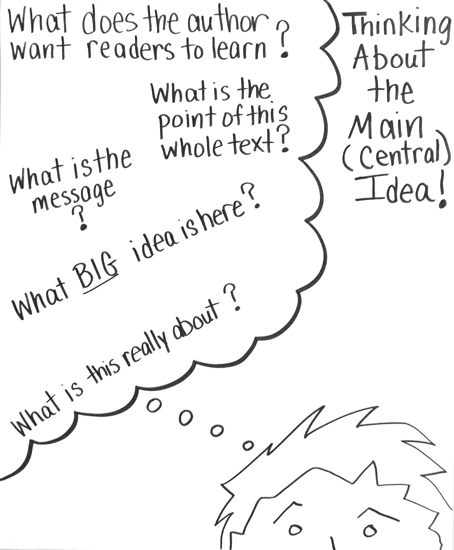
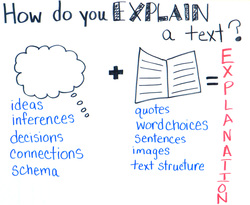
It helps to think about these types of question while you are reading
What is the message so far?
What is this passage about?
Why do you think that? Can you give some details from the text that supports your thinking?
Can you give me a sentence that tells what this text was about?
Can you write a short summary about what you learned.
How would you summarize what you have read so far?
It helps to think about these types of question while you are reading
What is the message so far?
What is this passage about?
Why do you think that? Can you give some details from the text that supports your thinking?
Can you give me a sentence that tells what this text was about?
Can you write a short summary about what you learned.
How would you summarize what you have read so far?
